Mental health care is easier to talk about than it used to be, but getting support can still feel harder than it should. People run into waitlists, cost concerns, insurance confusion, provider shortages, and schedules that leave little room for a weekly office visit.
This guide was created after reviewing current mental health access updates, public health resources, telehealth trends, and community-based care options shaping support in 2026.
The good news is that care is no longer limited to one path. More people are finding help through virtual visits, crisis lines, primary care offices, workplace benefits, schools, and local clinics. These resources are not all the same, and they do not replace one another. Together, they create more ways for people to begin.
This Article Belongs to Mental Wellness
Table of Contents
1. Online Therapy Platforms
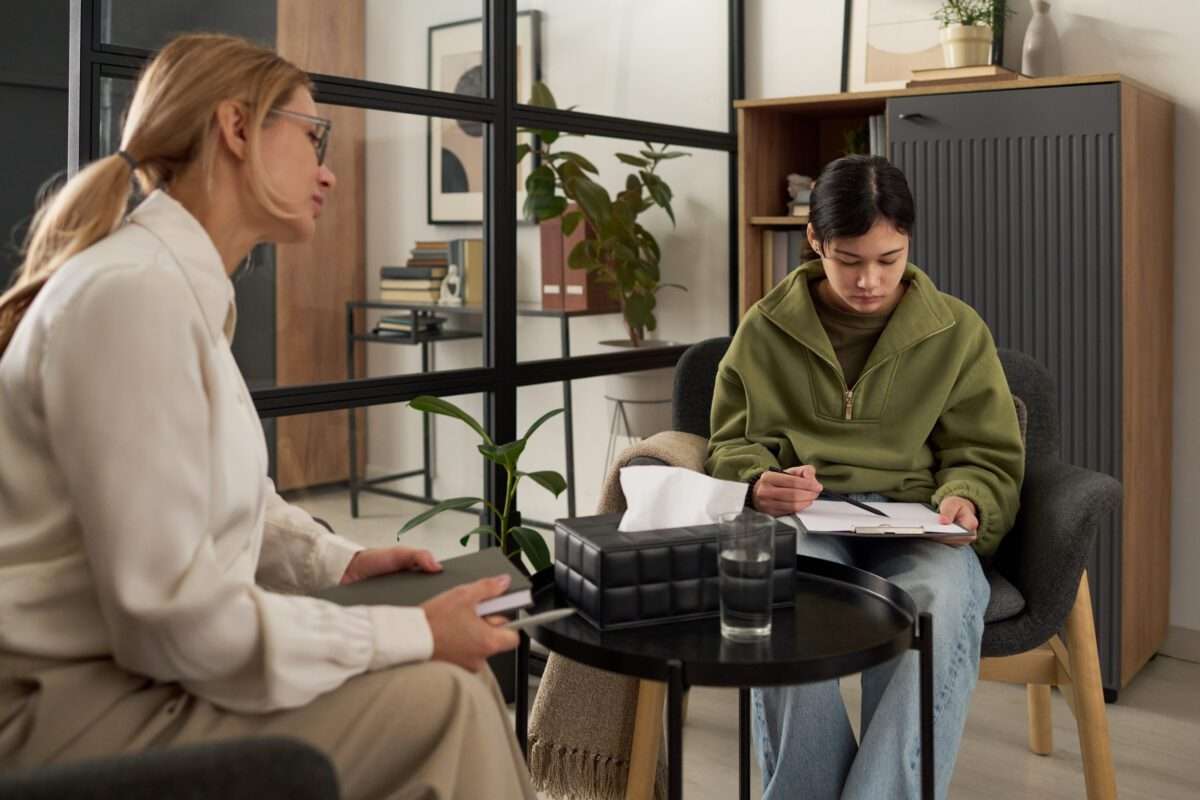
Virtual mental health care has become one of the most practical access points for people who need flexibility. It can help people who live far from providers, work nontraditional hours, care for family members, or feel more comfortable starting therapy from home.
Many people now use online therapy to connect with licensed support for stress, anxiety, grief, relationship challenges, burnout, or major life changes. The format can make care feel less like another hard appointment and more like something that fits into real life.
Online care is not the right choice for every need. Emergencies still require crisis or local emergency support. For many everyday concerns, though, virtual therapy can make the first step feel possible.
2. The 988 Suicide and Crisis Lifeline
The 988 Suicide and Crisis Lifeline gives people in the United States a simple way to reach trained crisis support. A person can call or text 988, or use chat, when they are in emotional distress or worried about someone else.
This matters since people in crisis may not know where to turn. They may not have a therapist, a doctor, or a clear plan. A three-digit number makes support easier to remember in a hard moment.
988 is not meant to replace ongoing therapy or medical care. It can offer immediate connection, safety planning, and guidance toward local help, in a mental health system that can feel confusing; that direct access point is important.
3. Primary Care and Telehealth Referrals
Primary care is often the front door to mental health care. Many people are more comfortable telling a primary care provider that they are not sleeping, feeling anxious, drinking more, or struggling to focus than searching for a therapist on their own.
Telehealth has made that first conversation easier for many patients. A virtual visit with a doctor or nurse practitioner can lead to screening, medication discussions, therapy referrals, lifestyle support, or follow-up care.
This approach also supports whole-person health. Mental health affects sleep, energy, pain, digestion, relationships, and work. When mental health concerns are discussed in primary care, people may get help earlier.
4. Workplace Mental Health Benefits
Employers are playing a larger role in access to mental health care. Many workplaces now offer counseling sessions, employee assistance programs, virtual therapy options, stress management tools, caregiver support, and wellness platforms.
These benefits can lower costs and reduce the work of finding support. For employees unsure where to begin, a workplace benefit can provide a clear starting point.
Businesses also have a reason to care. Stress, burnout, and untreated mental health concerns can affect focus, attendance, morale, and turnover. When employees have easier access to support, it can help both individuals and organizations work more effectively.
5. School-Based Mental Health Support
Children and teens often show signs of stress at school before they can explain what is wrong. Changes in attendance, grades, behavior, friendships, or mood may be early signals that support is needed.
School-based mental health resources can include counselors, social workers, peer programs, crisis response plans, telehealth partnerships, and referrals to outside care. These services can help families understand what kind of help may be useful.
Schools cannot carry the full weight of youth mental health. Still, they can help close the gap between noticing a concern and finding the next step.
6. Community Health Clinics
Community health clinics remain a key access point for people who are uninsured or underinsured, or who live in areas with fewer providers. Many offer behavioral health services, substance use support, medication management, case management, or referrals.
Local clinics can be especially helpful when cost or transportation is a barrier. Some use sliding-scale fees or connect patients with public programs.
Community-based care also keeps support close to daily life. For many people, care feels more reachable when it is connected to a place they already know.
Easier Access Starts With More Doors
Mental health care in 2026 is becoming more flexible, but access still depends on giving people more than one way in. One person may start by texting 988. Another may begin with a primary care visit, a workplace benefit, a school counselor, a clinic, or therapy online.
The best resource is often the one a person can actually use. That means care should be easier to find, schedule, and continue.
Alongside professional support, developing healthy daily habits can also contribute to emotional well-being and a more positive outlook. Read these healthy ways to be happy for practical ideas that can complement a broader mental wellness routine.
Better access does not only mean more services. It means fewer barriers between a person and the support that can help them feel safer, steadier, and less alone.