

Daily Eating Routine
You eat for many reasons. To get rid of hunger. For pleasure. And to give your body and mind the energy you need to make it through the rest of your day.
When you want a quick boost, you might reach for the old standbys of caffeine and sugar. The candy bar and soda or latte have always come through before. Why not keep doing it? But this routine may be causing more harm than good.
Instead, you could rely on a set of daily meals with nutrients to keep you energized without the crash and burn. These foods aren’t processed, representing each of the food groups you’ve been hearing about since you were young. It’s science you can understand and relate to. Welcome to your new routine.
Table of Contents
Low-Fat Protein
Protein can come from animal and plant-based foods. However, not all proteins are created equal. Some have too much fat and are ultra-processed. Think packages of deli meat or a jar of non-organic peanut butter loaded with hydrogenated oils and sugar. Lean proteins, on the other hand, are some of the best anti-inflammatory foods you can eat.
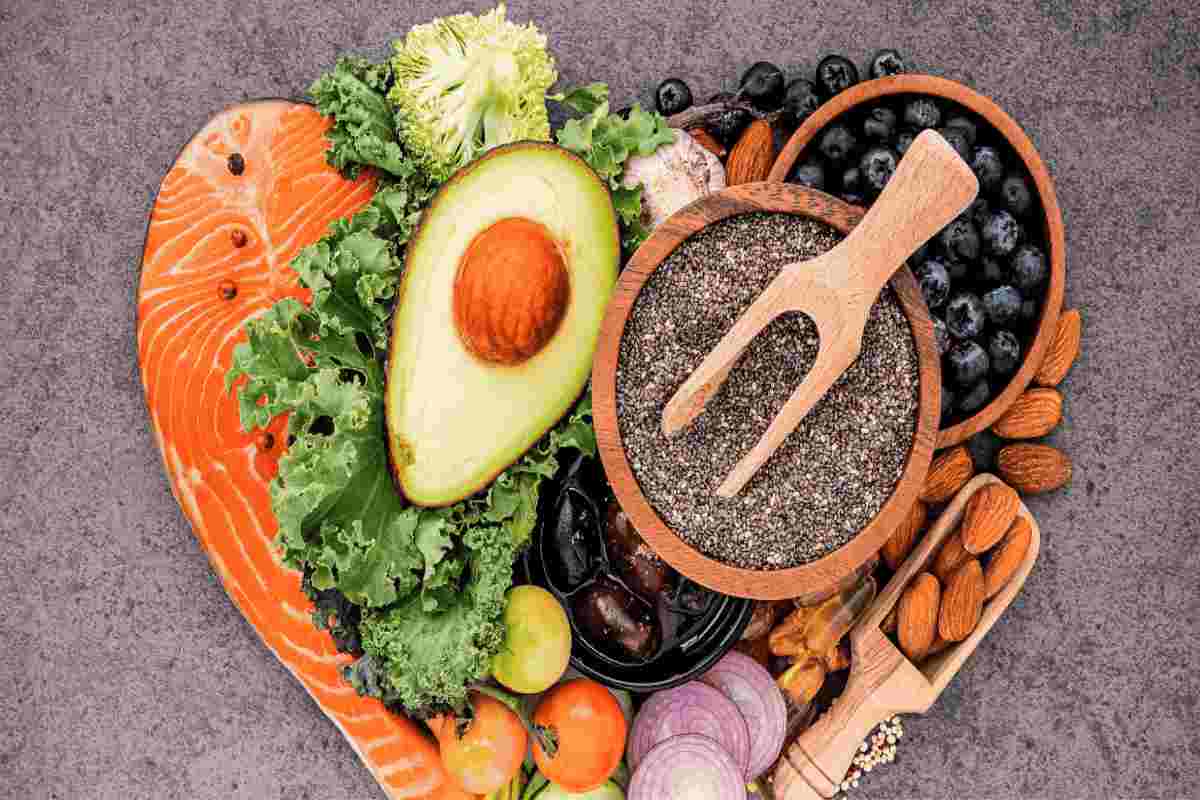
Examples include salmon, turkey, black beans, and tofu. These proteins keep you energized by reducing inflammation within your body and preventing blood sugar spikes. Lean proteins also slow down the digestive process, so you don’t feel hungry one or two hours after a meal. Since you feel full for longer, you don’t experience the mental and physical fatigue that comes from blood sugar crashes.
You have enough energy to keep going until the next meal. And when you fuel up again on lean proteins, your body can sustain itself through whatever’s left to tackle. Proteins can be added at any time of the day, including snacks. By consuming them, you’ll also be helping your body build and repair muscle, which helps keep your metabolism steady.
Produce
No surprise here. Fruits and vegetables are the foundation of any healthy diet. Apples are packed with fiber, while spinach provides a plant-based source of iron. Produce, whether fresh or frozen, also contains antioxidants, which help your body fight inflammation.
If you have a diet rich in fruits and vegetables, you’ll likely notice an immediate difference in your energy levels. You won’t get the same afternoon slump when you eat a banana versus a handful of candy for a snack. The same goes for adding berries to your oatmeal instead of sugar. Berries can provide a natural sweetness while reducing inflammation and boosting energy.
Another way to get enough fruits and vegetables is through organic juices or soups. These tend to be less processed than other commercial varieties. A butternut squash soup may also contain beneficial ingredients like ginger and cinnamon, which have also been shown to fight inflammation.
Unsaturated Fats
Not all proteins are created equal, and neither are fats. You may already be familiar with the terms saturated, polyunsaturated, and monounsaturated. The latter two are considered “healthier” than the first. Of the two unsaturated versions, monounsaturated fats have been linked to higher energy levels.
In addition, replacing saturated fats with monounsaturated ones has been shown to lower blood pressure. These fats release energy slowly, which is probably why people feel more physically pumped throughout the day. When your body metabolizes nutrients more slowly, blood sugar stabilizes. You don’t get the sudden rush, followed by a big drop later.
So, what are some examples of monounsaturated fats? Avocados probably top the list of crowd favorites. But before you pledge to eat more guac and put additional slices of the fruit on your burgers, there’s more. Chia seeds, flaxseed, and some nuts like almonds are rich in monounsaturated fats as well. You can also switch to olive and coconut oil when you cook.
Complex Carbs
Despite the popularity of low-carb diets, your body does need a certain amount of carbs to survive. Your brain needs carbohydrates to function well, and the rest of your physique uses carbs as its main fuel source. The key is to feed it complex instead of simple versions.
Complex carbohydrates are what you’ll find in whole grains, as well as produce. Whole wheat pasta, multigrain bread, and lentils are examples. These foods take longer for your digestive system to process, helping keep your energy levels balanced for the day.
In contrast, simple carbs lead to rapid increases and drops in blood sugar. Simple carbohydrates are found in doughnuts, white bread or pasta, and sodas with sugar. These are the carbs you want to limit or avoid. If you do, you’ll be doing your body and your energy levels a favor.
Foods for Energy and Focus
What you fuel your body with will show up in your energy levels and mental clarity. If you pump yourself full of processed stimulants like sugar, you’ll undoubtedly get a temporary lift. Yet, what comes after is the consequences of giving your body and mind something they weren’t designed to handle. It’s like any other harmful substance—your body sees it as a threat, even if you don’t.
A diet built on the foundations of sound nutrition is the better route to sustained energy and focus. By filling your plate with lean proteins, produce, monounsaturated fats, and complex carbs, your body will get the beneficial nutrients it needs. And it will reward you with higher, balanced physical and mental energy.