

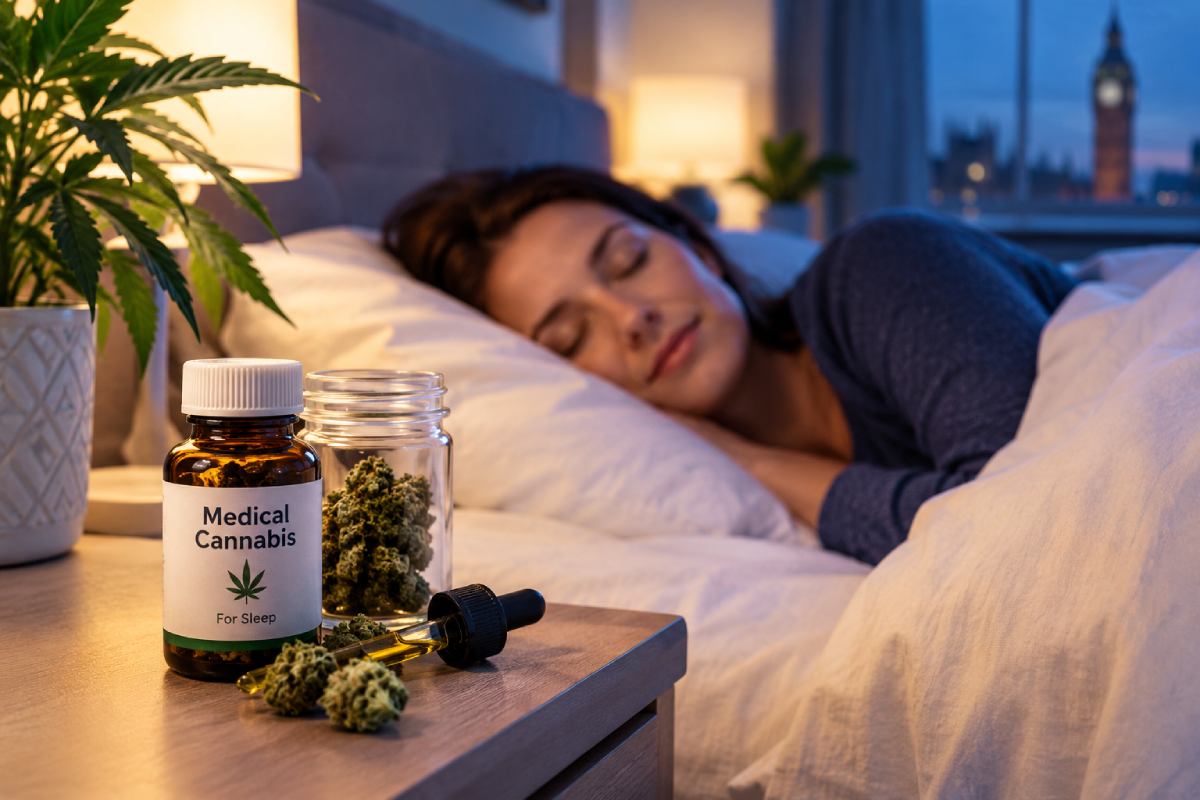
Sleep problems in the UK are, frankly, enormous. Something like a third of adults report regularly struggling to get enough rest, and the usual advice – cut the caffeine, put the phone down, try a magnesium supplement – only goes so far. For plenty of people, it doesn’t go anywhere at all. So it’s no surprise that interest in medical cannabis as a sleep aid has grown considerably over the past few years, particularly since the UK legalised cannabis-based medicines for specialist prescription in 2018.
The conversation has shifted quite a bit since those early days. Back then, most people assumed medical cannabis was either a last resort for severe pain patients or something vaguely experimental. Now, with clinics operating across Scotland and England and thousands of patients on active prescriptions, the picture is a lot more nuanced. Sleep disorders are actually one of the more common reasons people seek a medical cannabis consultation.
What’s Actually Going On With Cannabis and Sleep
There’s decent evidence that cannabinoids interact with the body’s endocannabinoid system in ways that affect sleep cycles, anxiety levels, and the ability to switch off at night. THC, in particular, appears to reduce the time it takes to fall asleep, though the research also suggests it can suppress REM sleep at higher doses, which is worth knowing. CBD’s role is a bit less clear-cut – some studies point to a calming effect, others show mixed results depending on dose.
What that means in practice is that a one-size-fits-all approach doesn’t work. The formulation that helps someone with chronic pain sleep through the night isn’t necessarily what someone with anxiety-driven insomnia should be using. This is actually one of the stronger arguments for going through a proper medical route rather than sourcing anything informally – dosing and product type genuinely matter, and getting it wrong can make sleep worse, not better.
Clinics like Medicann, which operates out of Scotland, offer consultations specifically focused on sleep-related conditions, and their page on cannabis for sleep gives a decent overview of how they approach this for patients with diagnosed conditions like insomnia disorder or sleep disturbance linked to PTSD and anxiety. That kind of clinical framing matters – this isn’t about buying a tincture from a wellness shop and hoping for the best.
Who’s Actually Getting Prescribed It
The patients accessing medical cannabis for sleep in the UK are more varied than you might expect. There are people in their 50s and 60s who’ve tried every prescription sleep medication going – zopiclone, antihistamines, low-dose antidepressants – and found that either they stopped working or the side effects weren’t worth it. There are younger adults whose anxiety makes falling asleep almost impossible. And there are people dealing with chronic conditions where pain and poor sleep feed into each other constantly.
It’s not a magic fix, and any decent clinician will be upfront about that. Cannabis prescriptions for sleep tend to work best alongside other changes – sleep hygiene, stress management, sometimes talking therapy. But for people who’ve genuinely exhausted other options, having an additional tool available on a properly regulated, monitored basis makes a real difference to quality of life. Which sounds like a small thing until you’ve spent three years waking up at 3am every night.
How to Actually Access It in Scotland
You can’t get medical cannabis on the NHS for sleep in the majority of cases – that remains frustratingly limited. Most patients go through private clinics, and the process typically involves an initial consultation with a specialist doctor who reviews your medical history and any previous treatments you’ve tried. If cannabis is considered appropriate, they’ll prescribe a specific product and dose, and the prescription is filled through a licensed pharmacy.
Costs vary, but initial consultations often run between £100 and £200, with ongoing prescription costs on top of that. It’s not cheap, and it’s worth being honest with yourself about whether you’ve genuinely tried other approaches first – not because cannabis is dangerous, but because it makes clinical sense to work through a logical treatment pathway. That said, for people who’ve been stuck in a cycle of broken sleep for years with little relief, the cost can feel pretty reasonable against the alternative.
The regulatory framework in the UK means that whatever you’re prescribed has to meet pharmaceutical standards, which is a meaningful distinction from anything bought informally. The product is consistent, the dose is documented, and you’ve got a doctor monitoring how it’s working. For something as important as sleep, that actually counts for quite a lot.